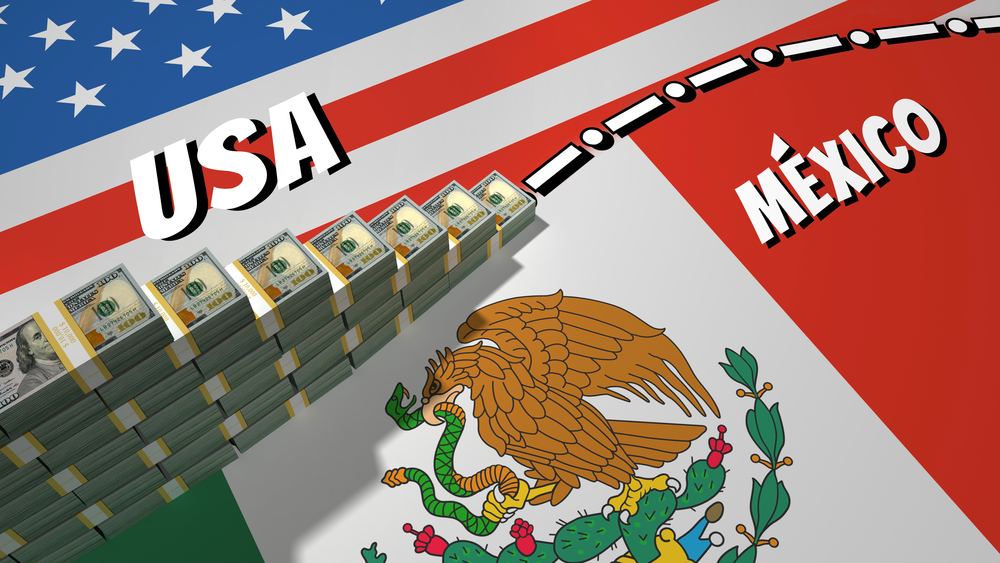
Mexico vs. TARIFFS! Ebrard Arrives in Washington for the FIGHT of His Career to Save Mexico's Auto Industry from 25% Destruction
The Trade War Nobody Can Afford
Mexican Economy Secretary Marcelo Ebrard has arrived in Washington D.C. for what may be the most consequential trade negotiation of the decade. On the table: the 2026 revision of the T-MEC (USMCA), and at stake is nothing less than the future of Mexico's automotive industry.
The primary threat? A proposed 25% tariff on Mexican-made automobiles and steel that could devastate one of North America's most integrated supply chains.
Ebrard's Strategy: Data Over Drama
Ebrard's approach is built on cold, hard economics rather than political rhetoric. His core argument centers on the deep interdependence of the North American manufacturing ecosystem:
- The Job Multiplier: President Claudia Sheinbaum has framed the relationship as one of reciprocity, arguing that every job created in Mexico supports up to two jobs in the United States.
- Supply Chain Integration: Mexican auto factories don't compete with American ones — they complete them. Parts cross the border multiple times before a finished vehicle rolls off the line.
- The Alternative Is Worse: Imposing 25% tariffs wouldn't bring manufacturing back to the US — it would drive it to Asia, where labor costs are even lower and supply chains are far less transparent.
But Security Casts a Long Shadow
The economic talks can't escape the security dimension. Mexico's Secretary of Security, Omar García Harfuch, met with FBI Director Kash Patel to discuss an "intelligence-only" cooperation model focused on disrupting fentanyl flows and securing the upcoming 2026 World Cup.
US officials continue to attribute the recent drop in fentanyl seizures to cartel disputes rather than joint pressure — a point of friction that complicates the broader trade relationship.
What's at Stake
If the tariffs go through, analysts estimate the impact on Mexican GDP could be severe, with ripple effects across the entire North American economy. The next few weeks of negotiations will determine whether the continent's trade architecture survives intact — or fractures along political lines.